Preparing a furnace for winter involves two different jobs: simple homeowner upkeep and a professional equipment inspection. Replacing a filter is useful, but it does not establish that burners, venting or safety controls are operating correctly.
Use this checklist to organize the work before you depend on heating every day. It is written mainly for residential forced-air furnaces. Follow your own equipment manual; oil, propane, electric and hybrid systems can have different requirements. If the furnace already has a fault, tell the contractor when booking rather than describing the visit only as routine maintenance.
First, know when maintenance becomes an emergency
If you smell gas, leave without operating switches or using electronics indoors. Call the gas utility emergency line or 911 from outside; see Enbridge's emergency instructions. If a CO alarm sounds, get everyone outside, call 911 and remain outside until responders say it is safe. Do not silence the alarm and continue checking the furnace. Ontario's CO safety page explains the emergency response.
Keep all internal fuel, combustion, electrical and safety-control work for appropriately qualified professionals. Do not treat a maintenance checklist as permission to dismantle equipment.
Before the heating season
1. Find the manual and service history
Locate the model information, filter specifications and maintenance instructions. Save previous service reports where the household can find them. Write down unresolved issues: unusual noises, water, repeated starts, cold rooms or thermostat messages.
If you recently moved in, ask for available records rather than assuming a clean-looking cabinet means the furnace was serviced. Note what you know and what remains unknown. The technician can help establish a maintenance plan for that equipment.
2. Inspect the filter using the correct procedure
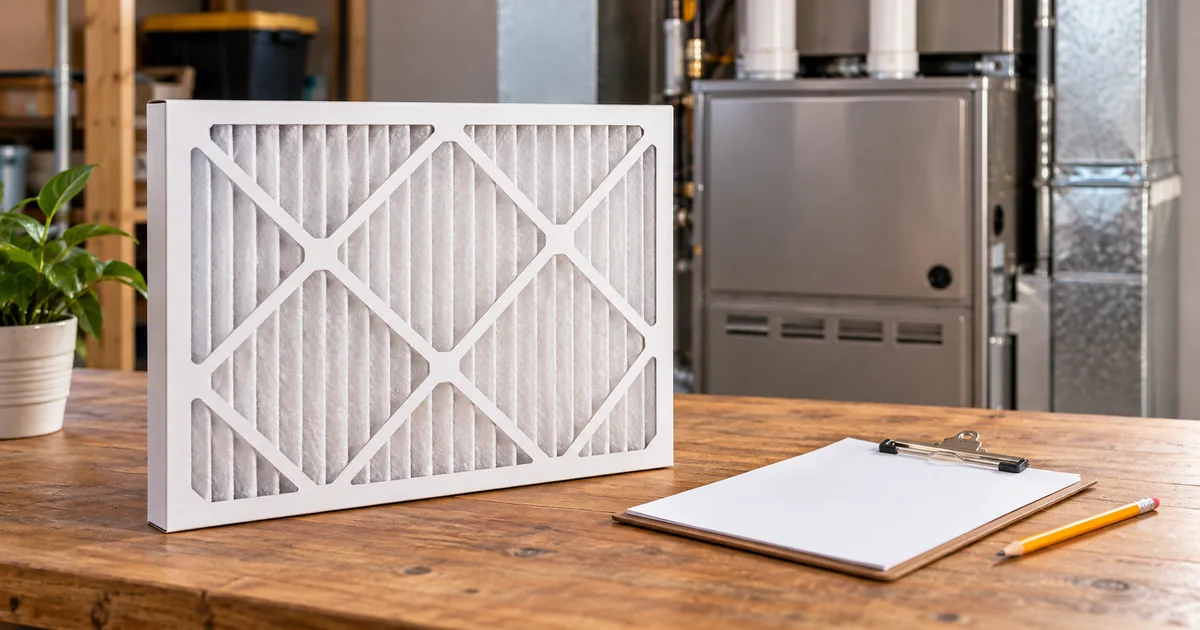
Follow the manual's shutdown and designated filter-access instructions. Check whether the filter is dirty or due for replacement, and install the specified size and suitable type in the correct direction. Do not operate the furnace without it.
Replacement intervals vary with filter design, use and household conditions. Natural Resources Canada recommends following the owner's manual for filter maintenance. Write the installation date on your household maintenance record. If access is unclear or unsafe, ask the technician to demonstrate the permitted task.
3. Clear supply registers and return grilles
Move furniture, rugs and stored items that obstruct ordinary room airflow. Clean accessible grille surfaces without pushing debris into ducts. Leave zoning equipment and balancing adjustments to a contractor.
As you walk through the home, note rooms that were uncomfortable last winter. Give the technician that list. A colder room deserves assessment; closing other rooms' registers is not a substitute for finding the cause.
4. Review normal thermostat settings
Confirm Heat mode, the schedule and normal user settings before the first sustained cold weather. Follow the thermostat manual for battery replacement and permitted operation checks. Keep a note of any unusual display or response.
If a smart control uses remote sensors, confirm which room it is following. Avoid changing wiring, fuel-type selections or installer menus. Explain any thermostat replacement or control change to the technician before the visit.
5. Keep the equipment area accessible
Remove stored items from the area needed for service and preserve the manufacturer's required clearances. Do not store combustibles against the furnace or obstruct ventilation openings. Ask about clearances if you cannot identify them in the manual.
Leave the cabinet and venting intact. Water marks, damaged fittings or unusual soot are observations to report, not things to cover up before the appointment.
Check carbon monoxide alarms separately
Alarm upkeep is a household task separate from furnace servicing. Test and maintain alarms according to their instructions, and check replacement dates.
Ontario's current guidance says homes with a fuel-burning appliance, fireplace or attached garage need CO alarms adjacent to sleeping areas and, effective January 1, 2026, on every storey. Review the official rules for your building, and ask the local fire department about an unclear situation. Do not rely on an older checklist that mentions sleeping areas alone.
An alarm is not a substitute for equipment maintenance, and a furnace inspection does not replace required alarms.
Arrange the professional furnace visit
Book with a business whose authorization is appropriate for the work. For fuel-related work, use TSSA's fuels contractor registry. The registry is a verification resource, not a recommendation or guarantee.
NRCan's maintenance guidance outlines professional checks involving controls, electrical connections, drainage and fuel-system operation. Ask the contractor which checks apply to your model, what cleaning is included and what requires extra authorization. TSSA encourages annual inspection of fuel-burning equipment; check manufacturer requirements as well.
Request written findings. Ask whether the furnace can operate safely, whether anything needs attention now, and which recommendations are optional. Keep invoices and records; confirm the actual warranty terms instead of assuming every warranty has the same service requirement.
During winter
Inspect the filter at the interval recommended for your system, keep grilles clear and record changes in operation. After snow or drifting, observe exterior intake and exhaust openings from a safe ground-level location. Follow manufacturer guidance for keeping the surrounding area clear. Do not climb, disconnect pipes or chip ice from components; report inaccessible or suspected blocked openings.
If the furnace repeatedly shuts down, stop treating it as a routine checklist item. Start with our furnace not heating guide for safe observations and arrange diagnosis. Do not repeatedly reset the unit or use an oven or outdoor appliance to heat the home.
Your household maintenance record
Keep one page with the model, filter specification, replacement dates, contractor details, service findings and follow-up work. Add the next inspection reminder and the location of your manual. If more than one person handles upkeep, make that record easy to find.
This avoids guessing when a filter was changed or whether a recommendation was completed. It also lets you compare a new concern with previous findings instead of relying on memory.
Frequently asked questions
Can I service the whole furnace myself?
No. Keep homeowner tasks to those explicitly permitted in the manual. Combustion, fuel, internal electrical and safety-control work require appropriate professional expertise.
Does maintenance guarantee there will be no breakdown?
No. A service visit can identify issues and support proper operation, but cannot promise a trouble-free winter or a particular bill saving.
Is duct cleaning the same as furnace maintenance?
No. Ask for the scope of each service separately. Do not assume a duct-cleaning offer includes a furnace inspection.
How do I arrange service locally?
Read about HVAC maintenance, browse Oakville companies if appropriate, or request maintenance quotes. Confirm inclusions, price and timing directly with the contractor.
Ontario HVAC Pros is an independent contractor directory and lead-connection platform. We do not perform inspections, maintenance or repairs, endorse a contractor's work or guarantee performance. Verify qualifications, insurance and service terms directly.